


Avoid Overbuying Seeds
Gardening season is over for this year. Or is it? Are you already dreaming and planning for next year’s garden? Soon it will be time to buy seeds. But don’t let your enthusiasm lead you to overbuying seeds. The best way to avoid overbuying is to use a systematic process for planning, purchasing, and storing seeds. Read this article for some tips to help you plan wisely.
BJ Hansell, Dakota County Master Gardener

Before you shop
Create a garden map. Sketch out your garden space and calculate the total area in square feet. Measure the size of your beds and sketch what you want to plant in each area, accounting for spacing. Asking a neighbor, friend or family member to assist with measuring helps this step flow smoothly. How much space do you have for direct sowing? Or will you begin with indoor seedlings, shelves and grow lights? The University of Minnesota Extension has many resources for planning successfully.

Vegetables. Choose plants your family will eat. Look beyond the attractive photos in catalogs and focus on vegetables you know you will consume. Start with a few favorites and limit yourself to just two or three new vegetables per season.
Flowers. Choose plants to provide color and variety throughout the growing season. If you are just starting a new or replacement decorative garden, chose perhaps three or four types. For example, plants you have seen growing well near you. For me, I like flowers that remind me of family gardens of my youth.
Check your existing inventory. Before ordering, sort through the seeds you already have. Organize them in labeled containers to know what you have and what you need. When storing, check the shelf life. Remember that some seeds have a shorter shelf life than others. For example, onion seeds are only viable for one to two years, while tomatoes and peppers can last for several years.
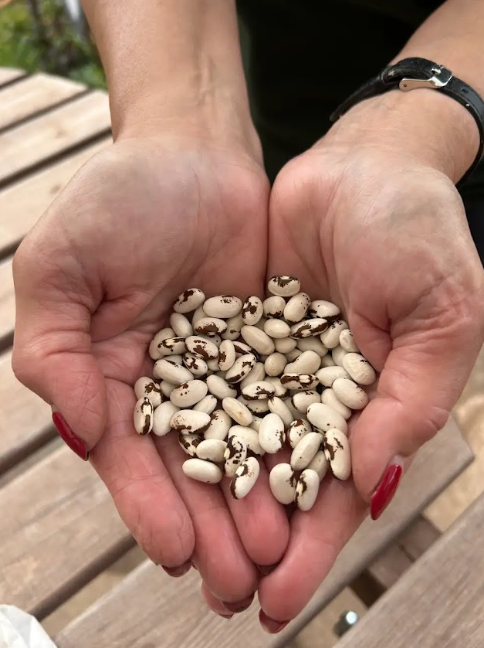
Calculate your needs. Rather than buying a large packet, determine the quantity you need based on the number of plants you want. For example, if you want four plants, you will only need about five seeds, assuming a 90% germination rate. Some seed companies offer online calculators to help.
It’s fun to spend the gardening off-season planning and buying seeds. But holding your enthusiasm in check will help you to avoid some buying waste.
Photo Credit: University of Minnesota Extension (1,2), www.gardenorganic.org.uk (from all creative commons) (3)