


Fragrant Plants
Jessie Thompson, Dakota County Master Gardener
If given a single flower right now, would your first reaction be to smell it? Scents can be so powerful. It can instantly unlock a memory and transport us to another time. Maybe the aroma of lilacs brings you back to playing in the backyard with your childhood best friend. Or the smell of basil, reminds you of your grandmother’s pesto. The fragrance of plants can enhance your garden and contribute to a sensory experience. It is easy to understand why we humans would want to be around good smelling plants and flowers, but have you ever wondered why plants have scents?

Plants give off scents as volatile organic compounds (VOCs), which are chemicals that evaporate easily into the air. The complex mixes of VOCs play important roles in plant communication and defense, such as attracting pollinators and deterring pests. It can also be important for seed dispersal. A large quantity of a plant's VOCs can be released from flowers, but they also come from all parts of plants, including stems, seeds, roots, leaves, and fruits.
Plants release their fragrance to signal their flowers are ready for pollination and it is timed for when their pollinators are most active. For example, plants that are pollinated by bees and butterflies tend to release most of their scent during the day. Some plants release their scents during the night and attract nocturnal pollinators, like the 4-O-Clock ‘Mirabilis jalapa’ that blooms in the evening and attracts night moths. Sweet scented plants usually attract bees and butterflies, while plants with spicy or fruity scents attract pollinator beetles.
Fragrant plants can bring so much enjoyment to humans but they can also play an important role to pollinators, insects, animals, and ecosystems. Here are just a few examples of fragrant plants that both we and our wildlife friends can enjoy:
Anise hyssop ‘Agastache foeniculum’ - A hearty perennial with lavender purple flowers. Attracts butterflies, pollinators, and rusty patch bumblebees. The leaves can be used for anise-flavored tea.

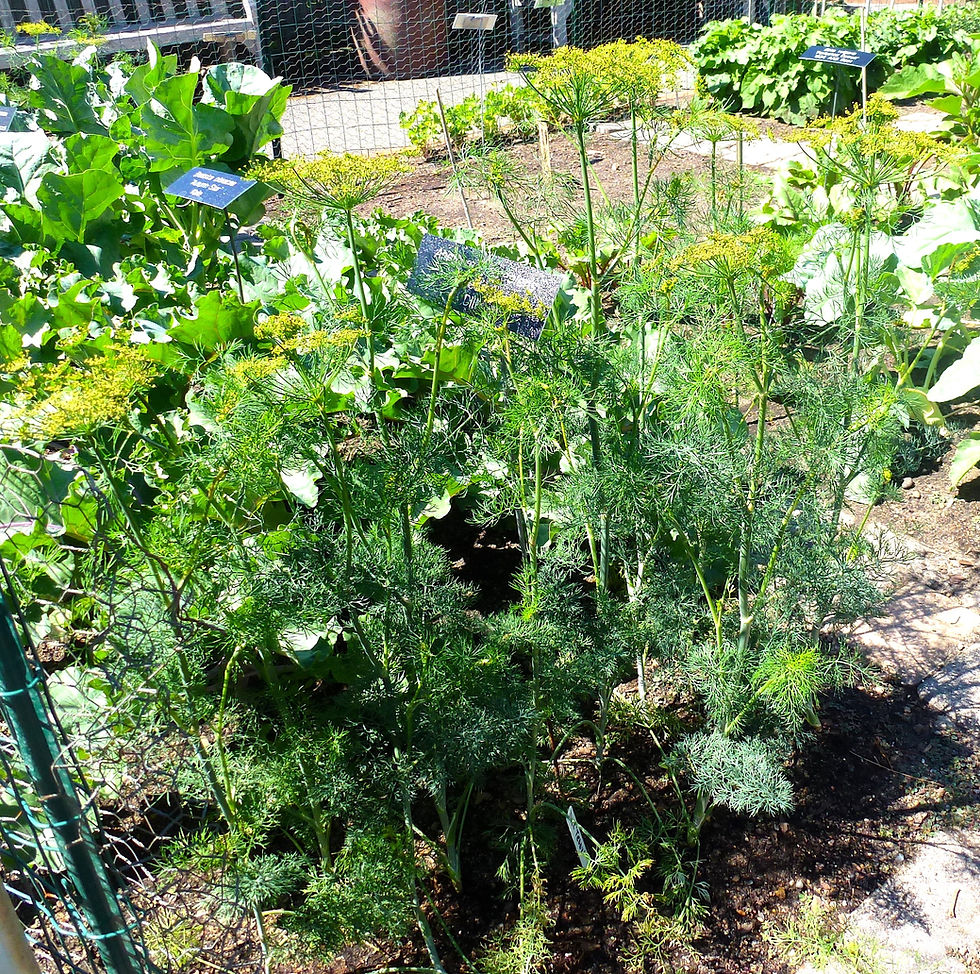
Dill ‘Anethum graveolens’ - Not only delicious for pickles and other recipes, this fragrant annual herb also attracts pollinators and larvae of swallowtail butterflies.
Bright Eyes ‘Phlox Phlox paniculata’ 'Bright Eyes' - This hearty perennial has a sweet fragrance that attracts and is a nectar source for adult butterflies.

Coral Reef Bee Balm ‘Monarda didyma’ 'Coral Reef'- Attracts birds, butterflies, hummingbirds, and pollinators. Bee balm has a scent similar to oregano, thyme and mint and can be used to make tea.

If you would like to add scented plants to your garden, the University of Minnesota Extension Plants Elements of Design Tool can be useful to find fragrant plants that will work for your yard. Some plants have a strong scent that can be experienced from a little distance while other plants have a more subtle fragrance that is best enjoyed up close. Consider placing the plants where you will enjoy them most, like along a pathway, in a patio planter, or by the front door.
References:
Floral Scents and Fruit Aromas: Functions, Compositions, Biosynthesis, and Regulation - PMC
Plant Volatile Organic Compounds: Revealing the Hidden Interactions - PMC
Why do flowers have scents? | Scientific American
Making scents: The aromatic world of flowers - Scienceline
Photo Credits: www.publicdomainpictures.net (1), www.pinterest.com (2), University of Minnesota Extension (3-5)