Shoreline Planting
Mary Gadek, Dakota County Master Gardener
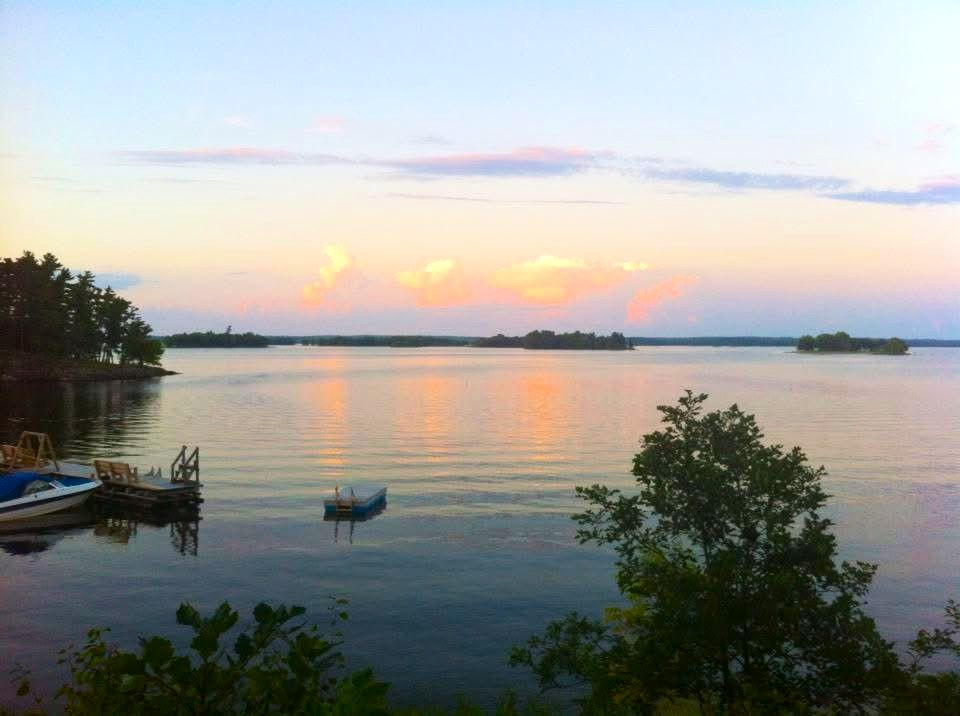
Aaah…lake life in Minnesota is in full swing! As we motor, paddle or splash around, notice the shorelines of our lakes, rivers, streams or ponds. Some are full of natural, native plantings, while others are neatly fashioned by lawns or riprap rock. This article explores why we care about our Minnesota shoreline plantings and what are best practices for the homeowners and the plants and animals living there.

Shoreline Plantings Are Important
According to the Minnesota DNR, Minnesota has 11,842 lakes, and 69,200 miles of natural rivers and streams, along with 13 million acres of lakes, streams and wetlands, totaling about one quarter of the area of the entire state.
As we relax in the cool, summer lakes, ponds or rivers of Minnesota, we gain heightened awareness of the reasons to protect, preserve or restore the shorelines:
The vegetation provides critical habitat for our local creatures and plants;
Many water edges are susceptible to erosion due to slopes and/or wave action;
Runoff from the shore may need filtering before entering the water; and,
Plantings contribute to the scenic beauty of the water's edge.
Shoreline plantings offer the following benefits:
Roots hold soil and help stabilize slopes by trapping and using water that would otherwise run off.
Roots increase soil porosity, allowing water to infiltrate rather than run off.
Vegetation filters out nutrients and pesticides that could otherwise reach a lake or stream and cause algal blooms or excessive plant growth. Filter strips are vegetated areas of land next to shorelines that help minimize runoff to a lake or stream. The most effective filter strips include a variety of low plants, shrubs and trees, preferably native or existing vegetation.

Shoreline Restoration
Restore your shoreline to achieve the discussed benefits by doing some or all the following steps:
If starting with bare ground, use a plastic free erosion control blanket for slopes and close to shores.
Utilize mass plantings of trees, shrubs and plants to more quickly stabilize the soil. Generally, native perennials are recommended for their resilience and adaptability.
Have awareness of the considerations of turfgrass near shorelines: https://extension.umn.edu/shoreland-properties/caring-shoreland-lawns-and-gardens
Minimize use of riprap to areas where use of rock is the only solution, and with a gravel base to encourage plants to establish within the rocks. Suggestion if utilizing rip rap: add some cuttings of shrub willow, dogwood or elderberries in the spring, with the cuttings establishing roots in the moist soil. https://extension.umn.edu/lakes-and-wetlands/shoreland-properties#building-and-landscape-planning-1904260
For erosion or minimizing wake activity at the water’s edge, stake down plastic free coir logs, willow wattles or other brush bundles. https://bsalwmp.org/shoreline-stabilization/
A resource for suggested Minnesota trees and bushes: https://files.dnr.state.mn.us/waters/watermgmt_section/shoreland/shoreline-trees-shrubs.pdf
A resource for suggested Minnesota flowers, grasses and plants: https://files.dnr.state.mn.us/waters/watermgmt_section/shoreland/shoreline-herbaceous.pdf
Non-native plantings are just fine to use, especially if they provide garden benefits, such as erosion control with quick rooting and extending pollinator options to the garden. https://extension.illinois.edu/news-releases/whats-name-non-native-species-not-same-invasives
For both native and non-native plants, avoid adding any invasive species, (defined as species that are not native to Minnesota AND cause economic, social or environmental harm or harm to human health). See the MN DNR list: https://www.dnr.state.mn.us/invasives/index.html
Together we can take care of and enjoy the extensive shorelines of Minnesota and the infinite beauty!