


Growing Healthy Tomatoes in Minnesota
Tomatoes are a beloved staple of Minnesota summer gardens and there is nothing like biting into a juicy, fresh-picked tomato. As popular as they are, unfortunately, tomato plants are susceptible to diseases, disorders, and other issues. Here are some practices you can do to set your tomato plants up for success by reducing problems before they may begin and how to manage through the growing season.
Jessie Thompson, Dakota County Master Gardener

Pick the Right Plant or Seed
Consider growing a disease-resistant variety of tomato. Cornell University has an extensive list of disease-resistant varieties for cherry, grape, heirloom, plum, slicer, and rootstock tomatoes: Disease-resistant tomato varieties | Cornell Vegetables . When growing tomatoes from seed, choose a reputable supplier. Avoid using seeds saved from infected plants as pathogens can survive on the seed. Or if you are starting with transplants, inspect the plant thoroughly. Select healthy plants without any leaf spots or discoloration.
Keep it CleanIf equipment (like pots, tomato cages, trellis, stakes, and plant supports) has been used before, make sure it has been cleaned and sanitized before reusing. Start by removing any plant debris and soil. Then a 10% bleach solution (1 part bleach to 9 parts water) can be used to sanitize. Ensure garden tools are also clean.
Pick a New NeighborhoodWhen planting your tomatoes, choose a location where no tomatoes, eggplant, peppers, or other members of the tomato family have grown in 3-4 years. Pathogens can survive in the soil through winter and could infect the new plants if they are grown in the same spot without crop rotation.
Provide Space for Air Flow
Space tomatoes apart to provide good air flow. Some growers remove the lower leaves on the tomato plant to increase air circulation and this can also prevent pathogens that may be in the soil from splashing on the leaves. Staking or trellising tomatoes provides support to keep the plants from contacting the soil. Using mulch around the tomato plants is another strategy to reduce splashing on the leaves and provides the benefit of retaining soil moisture. Water and Fertilize Properly
A healthy tomato plant will be more able to withstand disease and disorders so take care to water your plant properly and fertilize. Inconsistent watering can be stressful to the plant which can make them more susceptible to disease and exacerbate issues. When watering by hand, avoid overhead watering; instead, direct the water to the base of the plant. Soaker hoses and drip irrigation systems are also ideal methods for watering tomatoes to provide water directly to the roots. Keep leaves dry as much as possible because moisture creates favorable conditions for diseases to spread quickly by bacteria and fungi spores. Water plants in the morning instead of evening to allow foliage to dry quickly if it does get wet.
Practice Early Intervention
Inspect your tomato plants each week as diseases can be easier to manage if they are identified and addressed early. If you notice spots on the tomato leaves, remove the infected
leaves at the first signs of spots. If it has rained or leaves are wet, allow leaves to dry first before working with your plant as bacteria can easily spread on hands and tools. Sanitize pruning tools with 10% bleach solution after using on an infected plant. Up to a third of the leaves can be removed.
Recognize Common Problems
Common causes of leaf spots include Septoria leaf spot, early blight, and bacterial spot which can look very similar in their early stages. Septoria leaf spot looks like small spots less than ⅛” in diameter with a gray or tan center and dark border and is caused by the fungus Septoria lycopersici. Lower leaves are infected first and then progresses. It can affect the leaves, petioles, and sepals of a plant.

Early blight is caused by the fungus Alternaria solani. It appears as black and brown irregular spots often with a yellow edge on the leaves. The pathogen is most likely to spread in wet weather and high humidity. The spores can spread by wind, human contact, and equipment.
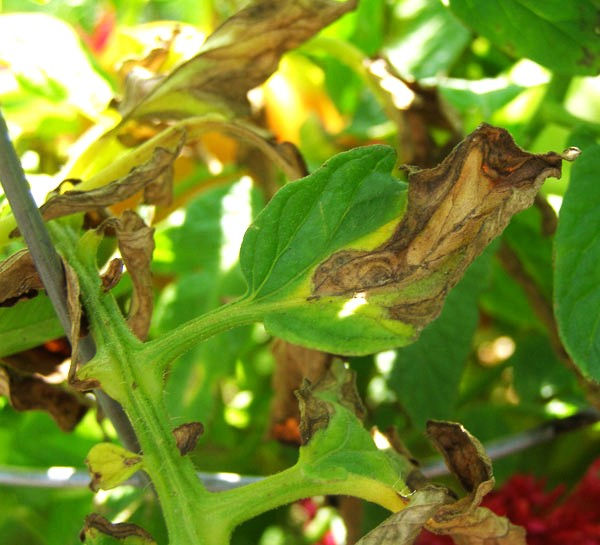
Bacterial spot looks like small, black round dots about 1mm diameter with a yellow border. The bacteria strains that cause this disease favor high humidity and high temperatures. The leaves, stems, and fruit can all be affected.
![[insert photo 4, tomato leaf with bacterial spot;
Credit: Michelle Grabowski, University of Minnesota Extension]](https://static.wixstatic.com/media/e53544_3aa98005131c48c9b7c7491e97be3aa5~mv2.jpg/v1/fill/w_200,h_150,al_c,q_80,enc_auto/e53544_3aa98005131c48c9b7c7491e97be3aa5~mv2.jpg)
If you notice something unusual with your tomato plant, this is a great resource: What's wrong with my plant? : Garden: University of Minnesota Extension. You can search by symptom to diagnose the issue and explore links with more information and recommendations for management.
By implementing these best practices, providing consistent care, and proactive management, you can reduce disease pressure and enjoy a healthy tomato harvest this season.
![cherry tomatoes
Credit: Jessie Thompson]](https://static.wixstatic.com/media/e53544_e683e3c0d1b34ae7b338f03160f86b70~mv2.jpg/v1/fill/w_980,h_736,al_c,q_85,usm_0.66_1.00_0.01,enc_auto/e53544_e683e3c0d1b34ae7b338f03160f86b70~mv2.jpg)
References and for further reading:
Tomato leaf spot diseases | UMN Extension
Disease management for vegetable crops | UMN Extension
Tomato disorders | UMN Extension
Clean and disinfect gardening tools and containers | UMN Extension
Managing Tomato Diseases, Disorders, and Pests | Yard and Garden
Tomato Diseases and Disorders in the Home Garden
Key to Common Problems of Tomatoes | University of Maryland Extension