


How to Deal with Pantry Pests
Susan Ball, Dakota County Master Gardener
If you have ever opened a bag of flour and found little black speck in it, you have experienced a common household problem – pantry pests. Any kind of dried food, especially flour, meal (example, cornmeal), and cereal, can become a home for pantry pests, which will contaminate all the food they touch. Read this article to learn about what these pests might be, how to prevent them and what to do if you find them in your flour!

If you have ever opened a bag of flour and found little black speck in it, you have experienced a common household problem – pantry pests. Any kind of dried food, especially flour, meals (example, cornmeal), and cereal, can become a home for pantry pests, which will contaminate all the food they touch.
Pantry pests are not picky. Although their preferred foods are grains, like flour, cereal and other processed food, nearly any food stored a room temperature can be a target. Dried fruits, beans, nuts and spices are favorites. Any open package is also a target, but these pests can get into unopened packages as well.
The most common culprits are: moths and multiple types of beetles, cigarette, drugstore and saw-toothed beetles – and weevils.
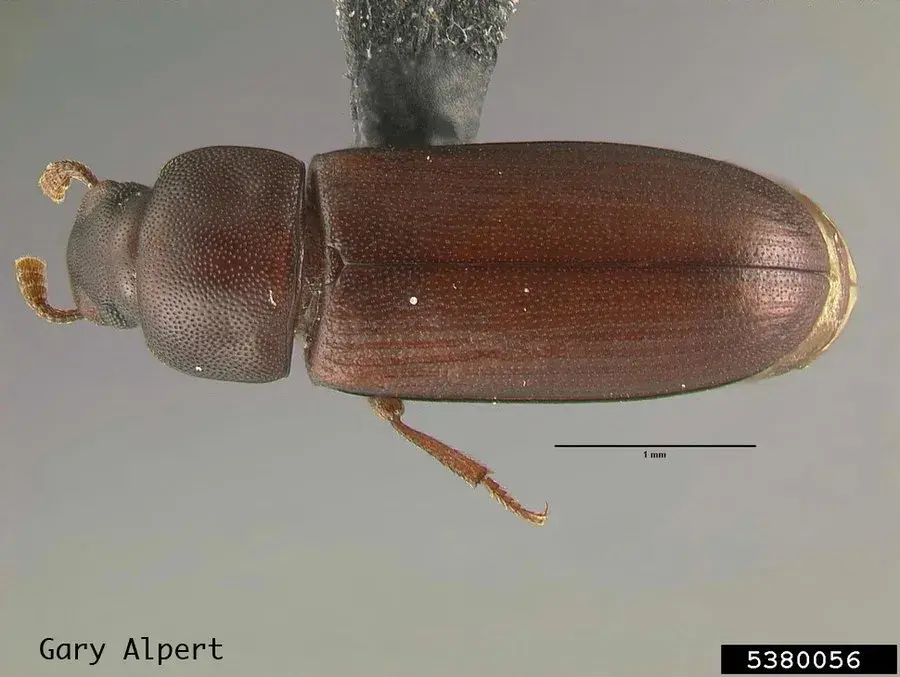
Rest assured, you did nothing to cause this problem! These pests come from granaries, warehouses and food processing plants. They travel from the grocery store to your home and are so tine – many are 1/8” in length or less – they can be difficult, if not impossible, to spot until they multiply, infesting your food.

How to prevent infestations
Prevention is the best cure. Check incoming groceries, including pet and bird food. Better yet, check packages in the grocery store before you buy!
Look for packages that are not well sealed or have tiny holes. Avoid packages that have dents or scratches. Check the expiration date – the longer a product has been sitting around in the same place, the more likely it is to be infested.
Also, the longer a product sits in your pantry the more likely it is to become infested. The answer is to buy small packages that you can use up in two to four months.
Consider transferring target foods to glass, plastic or metal containers with airtight seals. They keep pests out much better than cardboard or foil. Or store products, like flour and other meals, in your refrigerator.
How to you know if you have an infestation
If you find a pest in an area where you don’t store food – especially in the summer when insects flourish – you probably don’t need to worry. But if they are on your counter or the floor near your pantry, it could be an early sign of pest infestation.
What to do about it
If you find a pest, throw away the box or package it is in. Check the products that were stored near it. If you can’t see the bottom of a package or box, pour the food onto a baking sheet and check it with a flashlight.

If you don’t find anything, the pest was likely an isolated incident. However, if you do find an infestation or even just a pest or two, do the following:
Empty out your pantry
Vacuum the shelves
Wash down the shelves with soapy water
Check each package and box before returning it to the shelf
Don’t do the following:
Apply bleach ammonia or pesticides – they don’t work and are dangerous if they contact food
Spray the area with insecticides
If you have concerns or want to be extra cautious, freeze the package or box for three to four days. Alternatively, you can heat the product in an oven at 140 degrees fahrenheit for two or three yours. Either method will kill any eggs or larvae.
If you have survived an infestation – or want to be sure you never have one- clean your pantry shelves every three to six months, which has the extra benefit of helping you stay organized!
References:
https://extension.umn.edu/product-and-houseplant-pests/pantry-pests-insects-found-stored-food
https://www.foodnetwork.com/recipes/packages/kitchen-fixes/everything-about-pantry-pests
https://content.ces.ncsu.edu/common-pantry-pests-and-their-management
https://extension.psu.edu/cereal-and-pantry-pests
Picture Credits: Gary Alpert, Penn State Extension (1,2), University of Nebraska, Department of Entomology (3)