


Tomato Harvesting
A BLT Lovers Guide to the Picking Process
Tom Molitor and Scott Soltis, Dakota County Master Gardeners
It’s August in Minnesota, the summer solstice is in the rear-view mirror, the neighborhood is still ringing with the sound of July 4th exploding fireworks, and your backyard garden is also exploding with Cherokee Purples, Red Romas and Green Zebras. If you’re like any other gardener, you’re probably doing one of two things at the moment: staring lovingly at your green vined tomatoes, or aggressively imagining them fully ripe on your kitchen counter. This article has some helpful tips for harvesting tomatoes successfully. The timing may surprise you!


Thanks to the June rain (plus whatever diligent watering you've managed to keep up with), those tomato plants are filled with fruit, the finish line is finally in sight, and maybe, just maybe, you’ve already experienced that early-summer joy of plucking the first, sun-warmed cherry tomato of the season and eating it right there, dirt and all. But here is where we backyard growers can get nervous. This is Minnesota. Our weather loves to throw curveballs, and waiting too long to harvest means losing our hard work to such things as sudden hailstorms (yes, it’s a thing), persistent pests, or even an early autumn frost.
Harvesting your tomatoes at the right time ensures the best flavor and prevents loss to pests or extreme weather. When trying to get perfect flavor while protecting your harvest, one logical trick is to ripen tomatoes indoors without sacrificing taste by picking fruits when they reach their mature size and begin changing color (the "breaker stage").
Contrary to popular belief, you don’t need to leave your tomatoes on the vine until they are fully red. In fact, pulling them a little early is often the smartest move you can make. For that perfect tomato, let’s talk about picking (the When and the How), along with post-harvest secrets of the storage process.
When to Pick
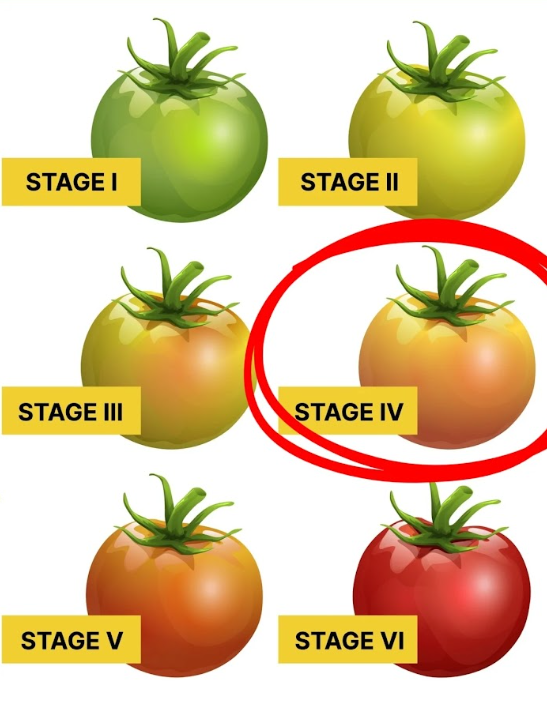
The Breaker Stage: The ideal time to harvest is when the tomato is blushing (about 30% to 40% full color). Once they reach this stage, they are as sweet as they will ever be.
Hot or Wet Weather: If you are expecting a heatwave (over 90 degrees Fahrenheit) or heavy rain, pick blushing tomatoes immediately. This prevents sunscald and splitting.
Firmness: Gently squeeze the tomato. It should feel firm with just a slight, soft give.
How to Pick
Do Not Pull: Pulling the fruit can damage the main stem and invite disease.
Use Pruners: Ideally use sharp bypass pruners or scissors to clip the stem about 1–2 inches above the fruit. This allows the small green cap (calyx) to stay on the fruit, prolonging its freshness.
Handle Gently: Tomatoes bruise easily, so place them in a single layer in a basket or tray.
Harvest Process
Use clean containers, preferably food-grade containers, to place tomatoes. Containers, such as garbage cans or old plastic bags, that originally held chemicals such as household cleaners or pesticides are not food-grade and should not be used.
Clean hands or clean gloves (that have not been used to stir compost or pull weeds) are recommended when picking tomatoes of any size or color.
Brush, shake or rub off any excess garden soil or debris before bringing tomatoes into the kitchen. Watch out for signs of animals like scat, fur and nibbled produce. Discard tomatoes that have signs of nibbling, and or have visible animal feces on them.
Post-Harvest & Storage
Ripening Indoors: Leave partially colored tomatoes on your kitchen counter. Cover them loosely with a tea towel.
One way to speed the process naturally, is to place a ripe banana or apple nearby.
Important Storage Warnings: It is not a good practice to place fresh tomatoes in the refrigerator. Temperatures below 55°F ruin the texture, leaving the flesh mealy and flavorless.
We have such a short growing season in Minnesota we want to be ready to harvest tomatoes, for a multitude of uses such as:
Sauces & soups
Salads & salsas: e.g. caprese salads, bruschetta, and gazpacho;
Sandwiches & toppings (BLT-the greatest sandwich)
Preserves-jams jellies and
Skincare: Tomato extracts are naturally rich in vitamin C and are frequently used in home remedies to brighten skin and reduce dark spots.
No matter which of these are your reasons to grow tomatoes, our common goal is a productive growing season and a great harvest.
For a clear visual demonstration of the perfect time to pick and how to harvest without damaging the plant see these videos: video 1, video 2 (1, 2). The resources below also include a brief description of tomato problems including pests (3) and more on growing and harvesting vegetables in your garden (4). These last two resources are University of Minnesota Master Gardener articles. In addition, there is a fascinating article from a Master Gardener from the University of Vermont on the History of the Tomato (5). Who knew tomatoes originated from the Aztecs?
You have worked hard to produce beautiful, delicious tomatoes in your garden. Complete the process by smart harvesting and storage techniques. Then – enjoy!

Resources.
The Perfect time to harvest a tomato. Joe Gardener https://www.youtube.com/watch?v=LedqNa6g80k;
Harvesting Tomatoes. Penn State Extension. https://www.youtube.com/watch?v=t-koSjUj7kU;
Tomato Problems: Janice Gestner, Master Gardener | DCMGV
Tips for Safely Growing and Harvesting Vegetables and Fruit in Your Garden https://www.dakotamastergardeners.org/bythemonth/tips-for-safely-growing-and-harvesting-vegetables-and-fruit-in-your-garden;
A History of Tomatoes | University of Vermont
Homegrown tomatoes by John Denver. https://www.youtube.com/watch?v=OwRn7A-TWrQ;