


Choose Outdoor Furniture Wisely
Susan Ball, Dakota County Master Gardener
It may still be cold outside but March does officially usher in spring and Minnesotans can finally believe that warmer weather will arrive again. We begin to anticipate spending time out of doors - tending to the garden but also sitting, eating and entertaining outside. So now is the time to assess your outdoor furniture needs and wants. Are you buying outdoor furniture for the first time or do you need to replace your old pieces? There are many different types of outdoor furniture at different price points, so it is worth spending some time understanding how to buy smartly. This article provides an overview of furniture types and materials plus buying tips.

It may still be cold outside but March does officially usher in spring and Minnesotans can finally believe that warmer weather will arrive again. We begin to anticipate spending time out of doors - tending to the garden but also sitting, eating and entertaining outside. So now is the time to assess your outdoor furniture needs and wants. Are you buying outdoor furniture for the first time or do you need to replace your old pieces? There are many different types of outdoor furniture at different price points, so it is worth spending some time understanding how to buy smartly. This article provides an overview of furniture types and materials plus buying tips.
Consider your Needs
When shopping for outdoor furniture, you may fall in love with a table set or lounging chairs on display. But will they fit your outdoor space and your needs? It’s crucial to measure your outdoor space. This allows you to make good decisions about the size and arrangement of furniture. Also think about how you plan to use your space. Do you need a large dining set for entertaining, a deep-seated sectional for lounging, a small bistro set for morning coffee on a balcony or will children or pets be using the furniture? Let’s look at the categories of furniture:
For seating, Adirondack chairs, benches, outdoor sofas, and chaise lounges are all designed for comfort and relaxation.
Tables range from small bistro tables to large dining tables.
Dining sets will include a table and chairs.
Loungers and hammocks - loungers are ideal for sunbathing, while hammocks offer a more relaxed experience.
Structural Material is Key
The frame is the backbone of any piece of outdoor furniture. For longevity and low maintenance, some woods and aluminum stand out as the best choice, although steel furniture and furniture with a steel frame - like many rattans - are also good choices. Look for solid welds on metal frames; mortise-and-tenon joints in wood furniture. While style is important, prioritizing structure and comfort is key when selecting your furniture. Opt for cushioned seating, ergonomic designs, and weather-resistant materials to ensure that your outdoor space is attractive and functional.
Outdoor furniture comes in a number of different materials. Choosing which materials for your furniture is very important. You probably don’t want to spend money on furniture that will fade, crack or rust after one season. You may pay more at the beginning but it is generally more cost effective in the long run to buy outdoor furniture in materials that will last, hopefully several years, with little to no maintenance. That being said, affordability is also a consideration and some cheaper materials are better than others. Let’s examine some common materials.
Wood: Wood offers a classic, natural aesthetic.
Teak is a popular, durable, and weather-resistant choice. Teak handles freeze-thaw cycles without cracking. A teak dining set may last 30-50 years because its natural oils repel water and resist rot. On the other hand, teak costs more upfront.
Cedar and eucalyptus are also good choices at a medium price point. Cedar contains natural oils that resist insects and decay but needs sealing every 2-3 years to prevent splitting. Eucalyptus also provides good weather resistance. Both of these woods will fade to gray without regular maintenance.
Pine, oak and other softwoods should be avoided because they absorb moisture more quickly and will rot quickly.
Metal:
Aluminum is lightweight and rust-resistant. Powder-coated aluminum is designed to hold up in extreme temperatures, its powder-coated seal protecting the aluminum from moisture exposure from melting snow or frost. It also resists scratches and UV damage while staying cooler in direct sunlight.
Steel - marine-grade and stainless steel provide superior strength and are durable enough for cold, snowy climates like ours. Steel needs powder coating or paint to prevent rust spots.
Wrought iron is sturdy and has a durable classic look. However, it is prone to rust if the coating is chipped or not maintained. It also gets hot in the sun and is heavier to move.
Synthetic materials
Rattan: Natural or synthetic is a popular choice because it is lightweight yet strong and durable. Synthetic rattan is often rust-proof and weather-resistant.
HDPE-high-density polyethylene (recycled plastics) looks similar to wood but is a leader for durability. It resists moisture, insects and UV damage. Further, it doesn’t need painting, sealing or staining and can last 20-30 years. But HDPE can be heavy and less cushioned than other options. Moreover, the initial cost can be high and it can get hot in direct sunlight.
Composite materials blend plastic resin with wood fibers – similar to decking materials. Composites resist moisture and do not splinter but heat up more than wood in the sun. They can also retain moisture that expands when frozen, eventually causing surface cracks.
Plastic is an affordable and low-maintenance option that is often very weather-resistant.

Fabric is Not Just About Looks
Cushions and fabrics are also important for comfort and appearance.
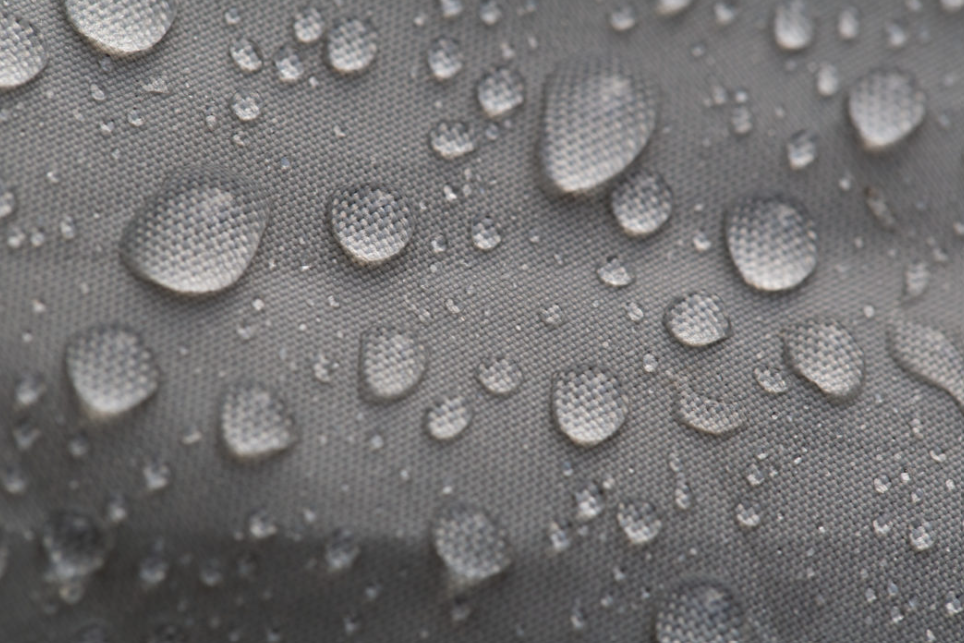
Fabric: While fabric adds color, picking a lounge set or chair made using durable fabric should be the priority. Look for materials that are specially designed for outdoors: fabrics that are UV-resistant, fade-resistant, solution-dyed with heavy-duty stitching and easy to clean. Cheap outdoor fabrics may fade in one season while quality materials may last for years. Water resistant fabrics are essential for fast drying to avoid mold, mildew and stains.
“Solution-dyed” fabrics deliver the best value. These fabrics resist fading for years.
Acrylic fabrics resist water, mildew and fading, are soft to the touch and clean easily.
Olefin also resists water and mildew but is less expensive.
Avoid cotton, linen and cotton blends which absorb moisture and support mold growth.
Polyester can fade quickly and retain water.
Foam: The champion of outdoor seating is foam. Quick-Dry Foam was created especially for outdoor use. Designed to dry fast (2-4 hours) if wet - stopping mold. This type of foam maintains its comfort and shape.
Choosing outdoor furniture can be a complicated business, but the information above can help you choose the right furniture for you and your outdoor space.
References
https://bluesky-outdoor.com/the-outdoor-edit/10-types-of-patio-furniture-explained/
https://extension.umn.edu/4-h-projects/4-h-home-environment-project
https://www.google.com/search?client=safari&rls=en&q=outdoor+furniture+how+to+buyhttps://
https://wrmth.ca/fr/blogs/blog/best-materials-for-outdoor-furniture
Photo Credit: Rawpixel.com (1), AAA State of Play; All Creative Commons (2), Negative Space; All Creative Commons (3)