


Common Milkweed (Asclepius syriaca): An Uncommon Beauty
Jim Lakin MD, Master Gardener
If a plant has adapted to its environment such that it is easily grown, it often suffers the fate of being called “common”. That is a disservice to Asclepius syriaca or “common milkweed”, which is anything but “common”. Indeed, its value to pollinators is uncommonly great. It attracts hordes of butterflies and other pollinators. Read this article to learn more about this important staple in pollinator gardens.
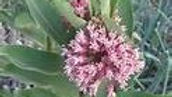
Along with closely related members of the family Asclepiadaceae, it is the sole host plant for the imperiled Monarch Butterfly. Asclepius syriaca is a source of food and a host for Monarch larvae and caterpillars. Its late spring to summer flowering presents popcorn balls of fragrant pink-purple blooms which grace any garden. If you’re looking for Asclepius syriaca, you should know that it is also known as silkweed, Virginia silkweed, common silkweed, showy milkweed, cotton weed, wild cotton and swallow-wort. Obviously, it gets around!
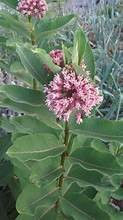
Common milkweed is native to most of the Eastern and Central North America and is found throughout Minnesota. Its origins in prairies and savannas dictate that it be grown in full sun to, at most, partial shade. Reflecting its prairie origins, it has a long taproot and thus is difficult to transplant. However, it grows easily from seed but can be aggressive in beds. If that is the case, it is easily pulled up and will not regrow from any root left behind. (Would that weeds were that obliging!) As you might imagine, Asclepius syriaca looks best in natural landscapes. In beds it will usually grow to about 3 feet. Without competition in good soil, it can reach 5 or 6 feet.
In late spring, common milkweed produces 4-inch-wide balls of flowers, initially pink-purple. As the bloom ages the color gradually transmutes to an orange-pink. The fragrance is pleasant but distinctive. In late summer to fall, the plant will form chubby horn-like seed pods containing copious, fluffy seeds. They will open from early fall to November.
If you wish to propagate plants, collect the seeds and give a go at germination. Remember to stratify them by putting them in the fridge in a moist environment for about a month to stimulate germination. I usually put the seeds in with a moist coffee filter in a Ziploc sandwich bag. Then, after a spell in the cold, start them indoors in January. You’ll have some great plants ready to go for spring planting, around May in central Minnesota.
So, by all means add a bit of milkweed to your property. Perhaps a Monarch will stop by to say thanks!
